Description
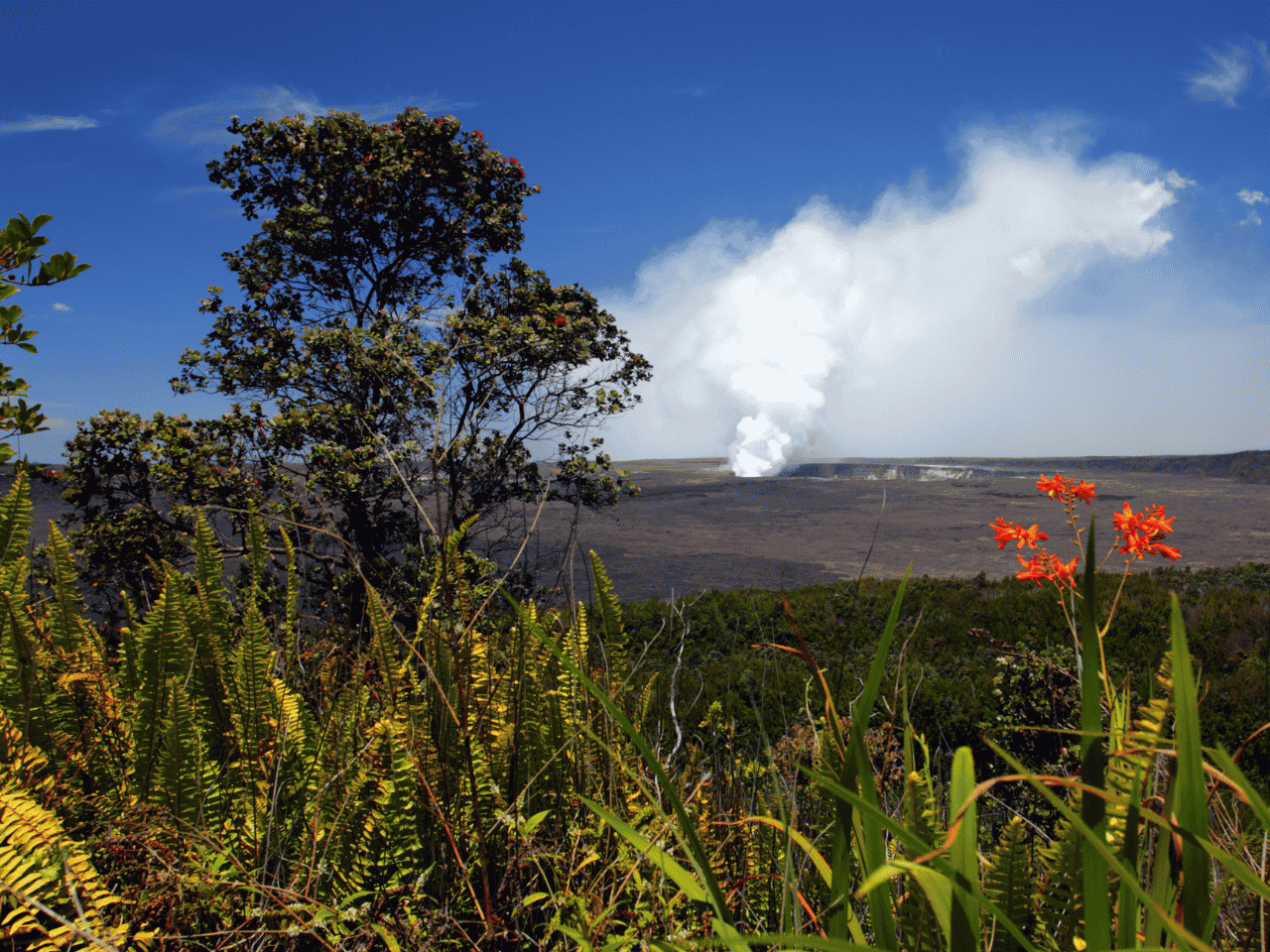
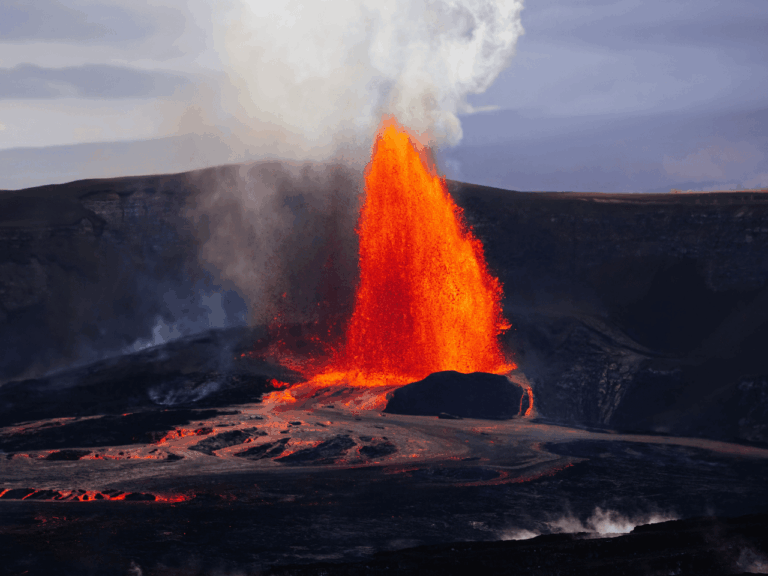
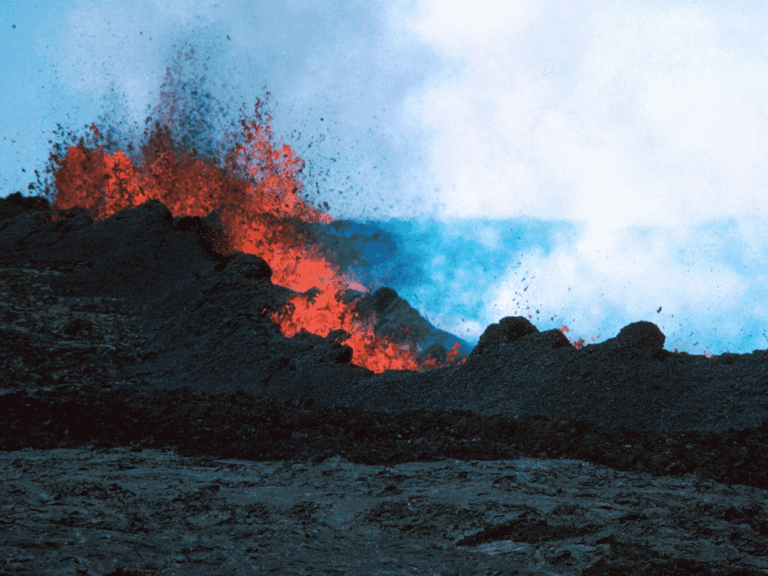
Hawai‘i Volcanoes National Park is home to two of the world’s most active volcanoes—Kilauea and Mauna Loa–and is a designated International Biosphere Reserve and UNESCO World Heritage Site.
When a volcano is erupting, eruption viewing is a popular activity at Hawai‘i Volcanoes National Park with several overlooks to watch from. Other activities include camping, day hiking, backcountry hiking, and scenic drives.
Need to Know
Hawai‘i Volcanoes National Park charges entry fees which are used to help maintain park infrastructure and support visitor services.
This park does not accept cash.
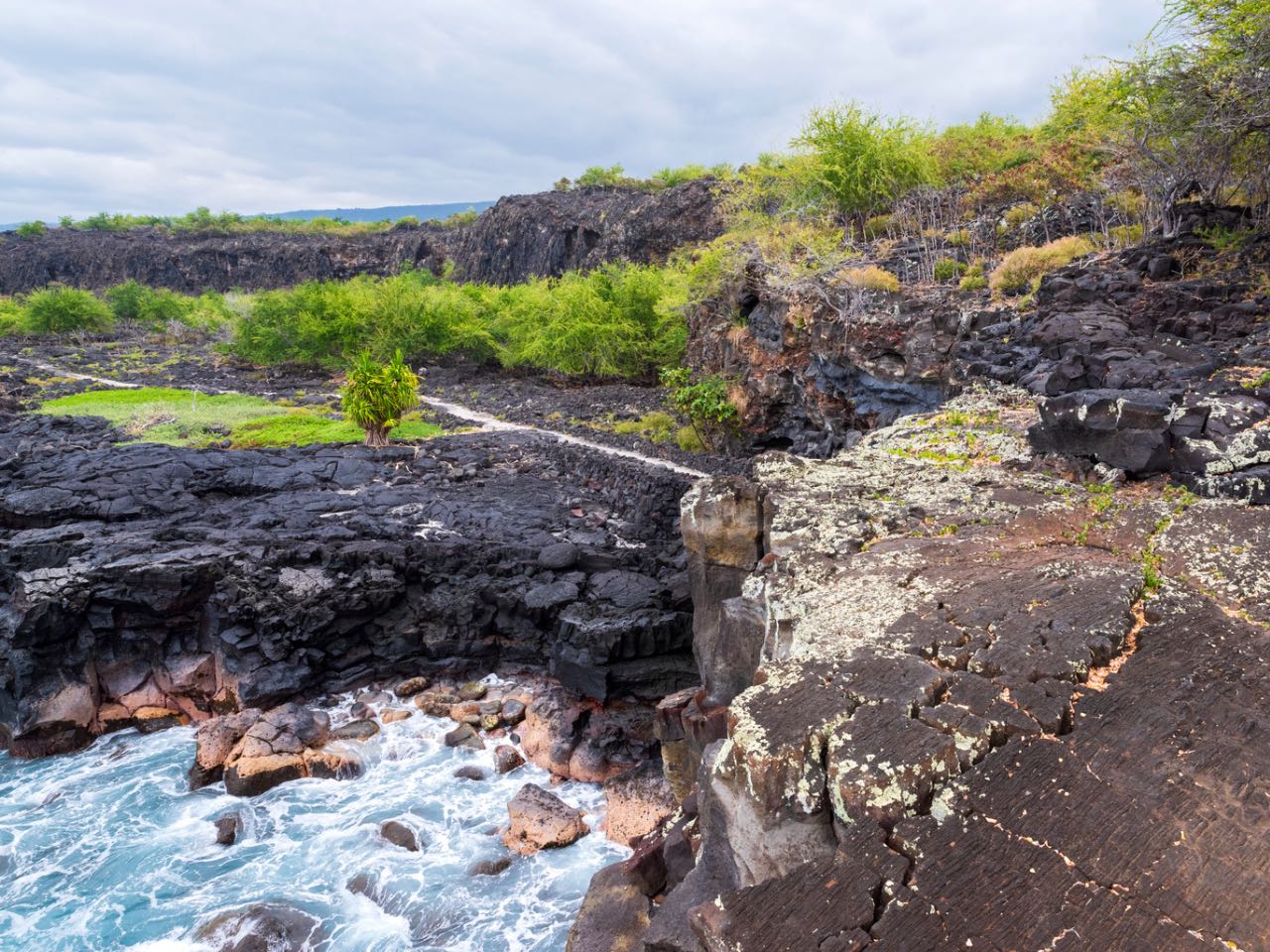
The weather the summit of Kīlauea (~4000′ elevation) varies daily and may be rainy and chilly any time of the year. Temperature varies by elevation. At the summit of the volcano, temperatures may be 12 to 15 degrees cooler than at sea level. The coastal plain at the end of Chain of Craters Road is often hot, dry, and windy with the possibility of passing showers.
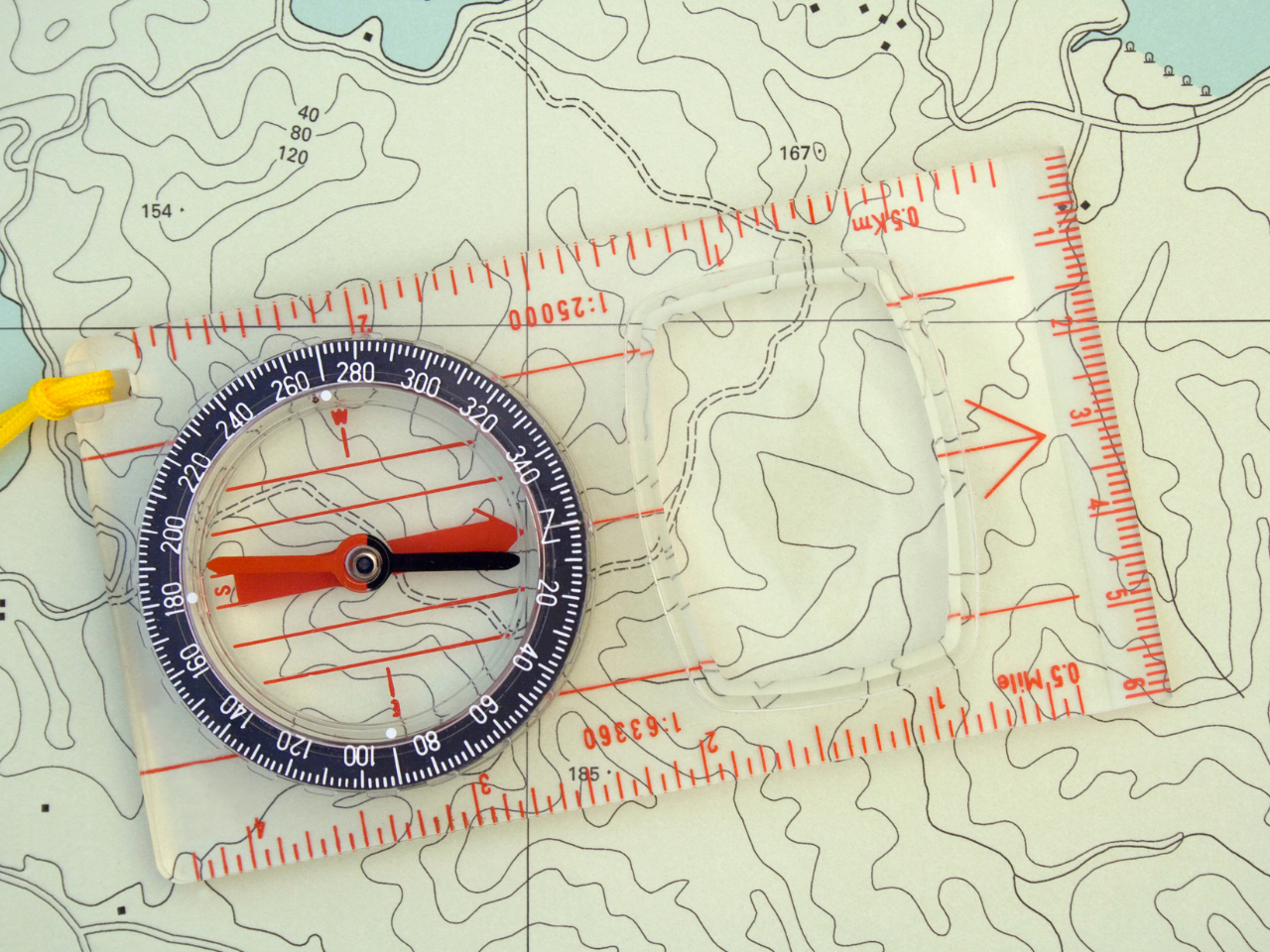
Maps and Navigation
Hawai‘i Volcanoes National Park is located on the Island of Hawai‘i. From Hilo: 30 miles southwest on Highway 11 (45 minute drive); from Kailua-Kona: 96 miles southeast on Highway 11 (2 to 2.5 hour drive), or 125 miles through Waimea and Hilo via Highways 19 and 11 (2.5 to 3 hours).
Recreation
When a volcano is erupting, eruption viewing is a popular activity at Hawai‘i Volcanoes National Park with several overlooks to watch from.
Other activities include day camping, hiking, backcountry hiking and camping, and scenic drives.
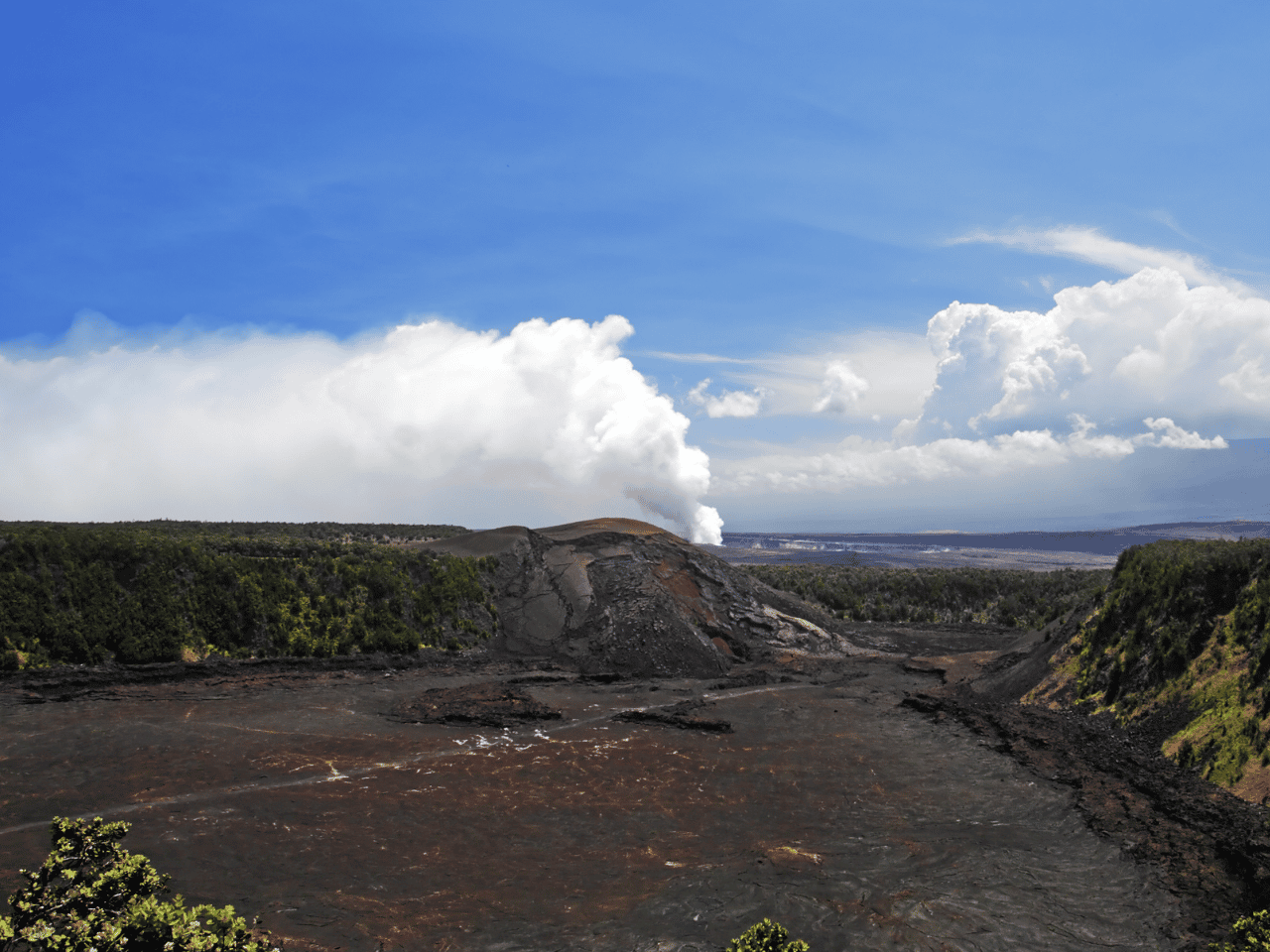
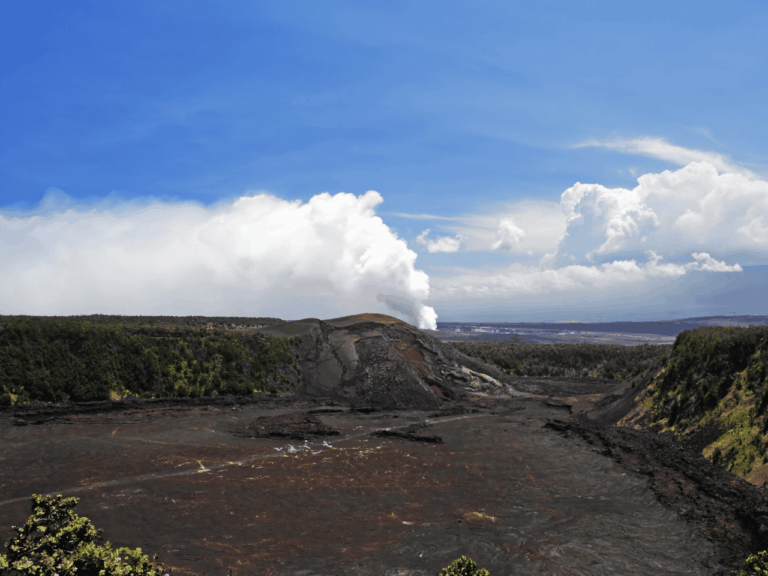
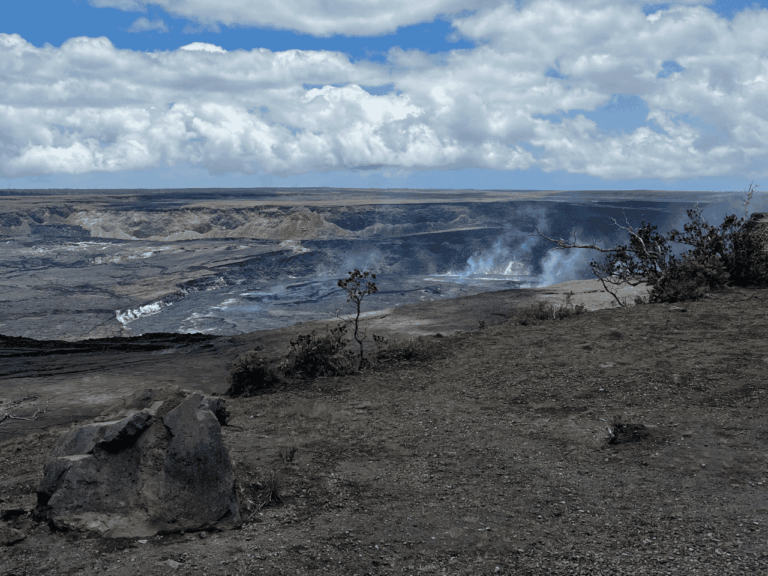
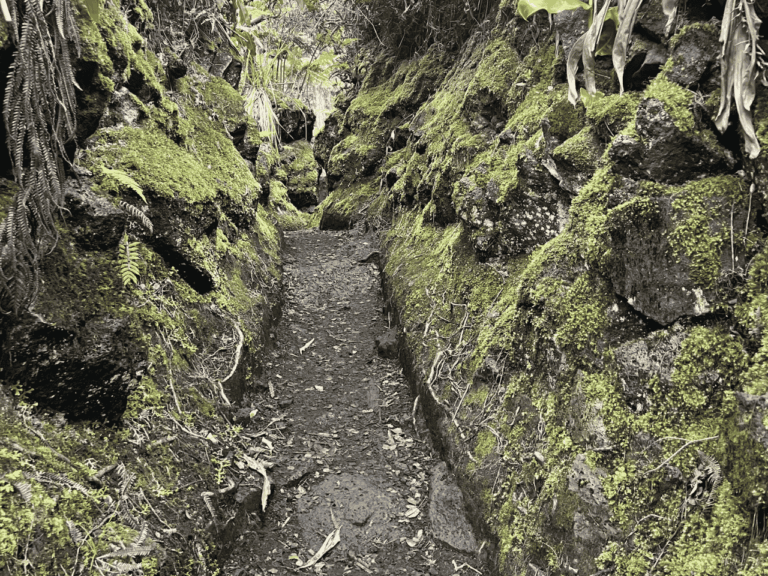
You can hike along craters, steam vents, lava fields, calderas, volcanic crystals, rainforests, ancient footprints and petroglyphs at Hawai‘i Volcanoes National Park.
Amenities
There are two drive-in campgrounds in Hawaiʻi Volcanoes National Park, Nāmakanipaio and Kulanaokuaiki.
A lodge and restaurant, Volcano House, is located at the summit of Kīlauea.
There are two park stores located in the Welcome Center and the Kahuku Visitor Contact Station.
Fees and Passes
All visitors at Hawai’i Volcanoes National Park are required to pay an entrance fee. If you already have a valid, America the Beautiful—National Parks and Federal Recreational Lands Annual Pass or Hawaiʻi Annual Tri-Park Pass, you are not required to purchase a digital pass through Recreation.gov.
Flora and Fauna
Plants found at Hawai‘i Volcanoes National Park include ʻae ferns, ʻōhiʻa trees, giant hāpu’u tree ferns, and Mauna Loa silversword.
There is only one native terrestrial animal at Hawai‘i Volcanoes National Park, the bat. Other animals include the largest dragonfly in the United States, birds, frogs, and sea turtles.
Nēnē (Hawaiian goose) is a federally protected species that needs your protection. Watch for nene on roads. Cars are the leading cause of adult nēnē deaths in the park. Do not feed nēnē. Nēnē that are fed by visitors learn to beg for food and approach moving cars.
Geography
Hawai‘i Volcanoes National Park is home to two of the world’s most active volcanoes—Kilauea and Mauna Loa.
The terrain also features craters, steam vents, lava fields, calderas, volcanic crystals, rainforests, ancient footprints and petroglyphs.